What soft washing is designed to do
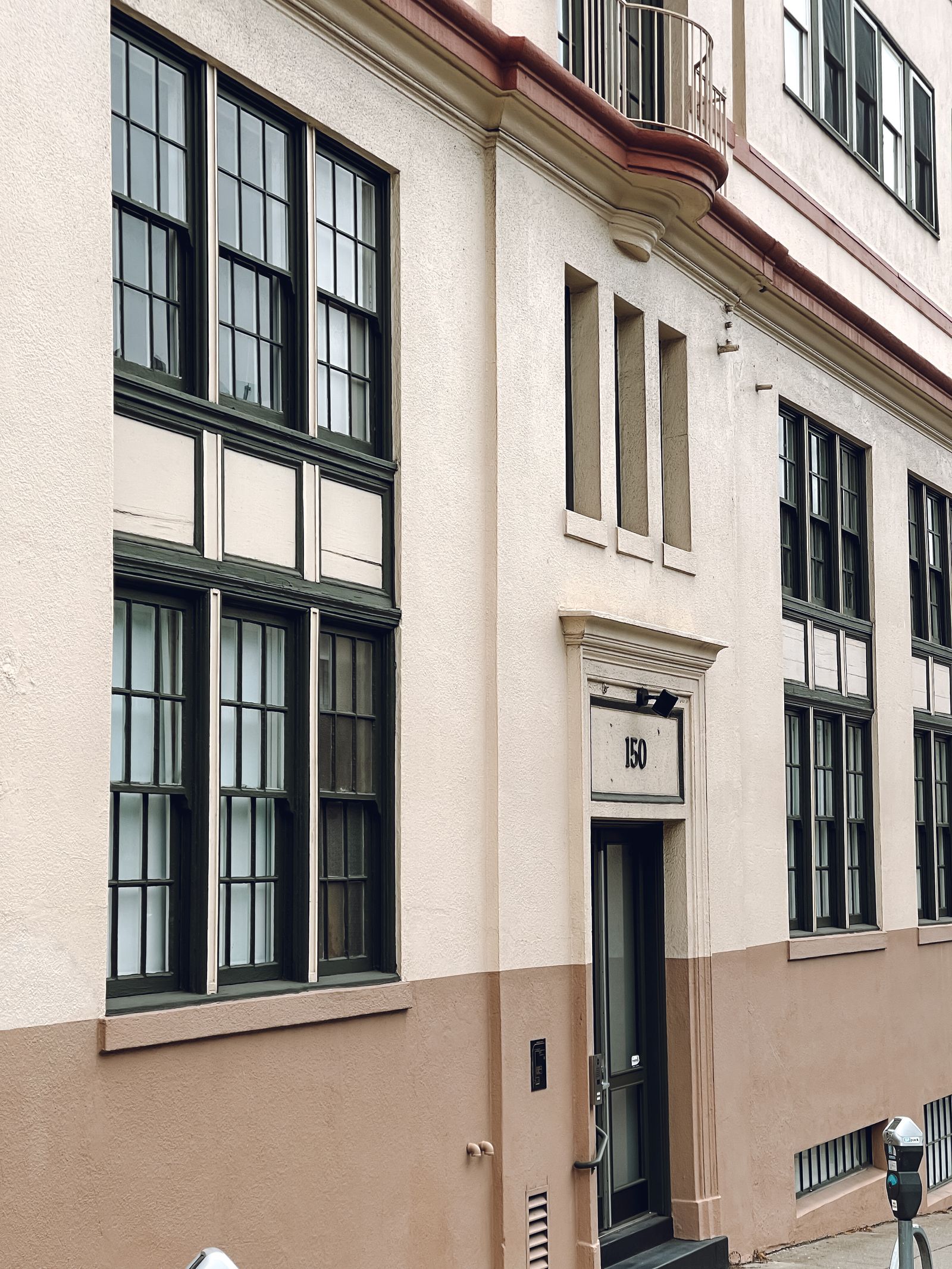
Soft washing generally combines a compatible cleaning solution, measured dwell time, and a lower-pressure rinse selected for the tested surface. It can help address organic growth, algae-like staining, pollen, bird residue, and some atmospheric film on suitable stucco, painted concrete, masonry, and other building components. The method is about compatibility and control, not a magic pressure number. Chemistry can affect plants, metals, coatings, sealants, glass, people, and runoff, so the scope should identify the test area, protection, dwell expectations, rinse, and stop conditions.
Soft washing will not automatically remove hard mineral scale, oxidation, bonded salt, embedded traffic film, failed coating, cracked stucco, open joints, corrosion, or a leak. Hilton Head's coastal film can contain several conditions at once. A site review should separate loose sand and salt from biological growth and from deposits that need specialty treatment or another trade. The quote should state expected improvement and exclusions rather than promising an identical finish on every substrate.
When controlled pressure may be the better fit
Pressure washing may be appropriate for durable, compatible surfaces where controlled mechanical action is useful, such as selected concrete walks, service aprons, curbs, loading areas, and robust hardscape. Even there, pressure at the surface is only one variable. Tip selection, distance, angle, flow, temperature, detergent, operator movement, edge protection, and runoff determine both risk and result. Too much force can etch concrete, expose aggregate, damage joints, drive water into openings, or leave visible wand marks.
Hilton Head properties often place durable hardscape beside more delicate surfaces. A resort may have concrete around a pool or arrival lane next to painted walls, metal rails, landscaping, and guest rooms. A Coligny storefront may have pavers beside glass, signs, outdoor dining, and neighboring tenants. A medical office may have a concrete drop-off beside sensors, doors, and air intakes. The quote should divide these zones instead of assigning one pressure setting to the whole property.
- Use pressure only on surfaces and conditions that have been evaluated as compatible.
- Specify pressure, flow, tip, distance, edge protection, and operator controls by zone.
- Separate hardscape cleaning from facade, glass, coating, mineral, and repair work.
Choose by substrate: stucco, EIFS, glass, metal, masonry, and pavers
Stucco, painted concrete, EIFS, brick, mortar, glass, metal panels, wood accents, pavers, and signs do not respond identically to force or chemistry. A wall near William Hilton Parkway may carry road dust and irrigation residue, while a shaded elevation behind landscaping may carry organic growth. A Sea Pines resort detail may be visually sensitive, and a Shelter Cove storefront may need clean glass and signs without disturbing tenant activity. The safe method follows the substrate, coating condition, joints, penetrations, and contaminant after a representative review.
A test patch can compare appearance, rinse behavior, and surface response. It can also reveal shadow lines, old repairs, oxidation, mineral scale, or uneven coating that routine washing will not make uniform. Contact glass, window frames, awnings, architectural trim, and signs may need a water-fed pole, hand work, lift, or specialty treatment even when a broad wall can be soft washed. Height does not decide the method; material and finish requirements do.
Let salt, humidity, sand, storms, and drainage shape the decision
Coastal salt can settle on metal rails, windowsills, signs, canopies, and painted surfaces. Humidity and shade can support organic growth, while sand and wind can add abrasive or gritty soil at lower elevations and entrances. Rain may move deposits down walls. Irrigation can leave minerals. Storms can add wind-driven residue and change the work window. These conditions can overlap, so a dark streak should be tested before anyone assumes it is algae or chooses high pressure to force it away.
Drainage is part of the method. Rinse water and removed soil may travel across pavers, toward a curb inlet, through a landscaped swale, toward a parking-deck ramp, or into a neighboring tenant's route. A stormwater feature is not automatic permission to discharge treated water. Depending on the products, soil, rinse volume, slope, and site requirements, controls may include diversion, collection, recovery, reduced rinse, filtration, plant protection, disposal, or coordination with the responsible authority. The plan should observe the first rinse and stop if flow differs from the approved route.
Recurring staining can indicate a source condition such as a downspout, gutter, roof edge, planter, irrigation spray, failed sealant, or low facade detail. Cleaning may improve the symptom, but the owner should know when a roofer, mason, plumber, or envelope professional needs to investigate the cause. A method comparison is incomplete if it ignores why the stain keeps returning.
Compare access and occupied-site risk, including aerial assistance
The practical method also depends on how the facade can be reached. Sea Pines and resort properties may have guest routes, landscaping, private drives, and arrival controls. Shelter Cove and Coligny may have pedestrians, bikes, outdoor seating, compact staging, and neighboring tenants. Medical and office buildings may need patient or employee access maintained. Before work, map barriers, hose routes, accessible paths, air intakes, doors, vehicles, emergency access, drains, and the person authorized to pause the work.
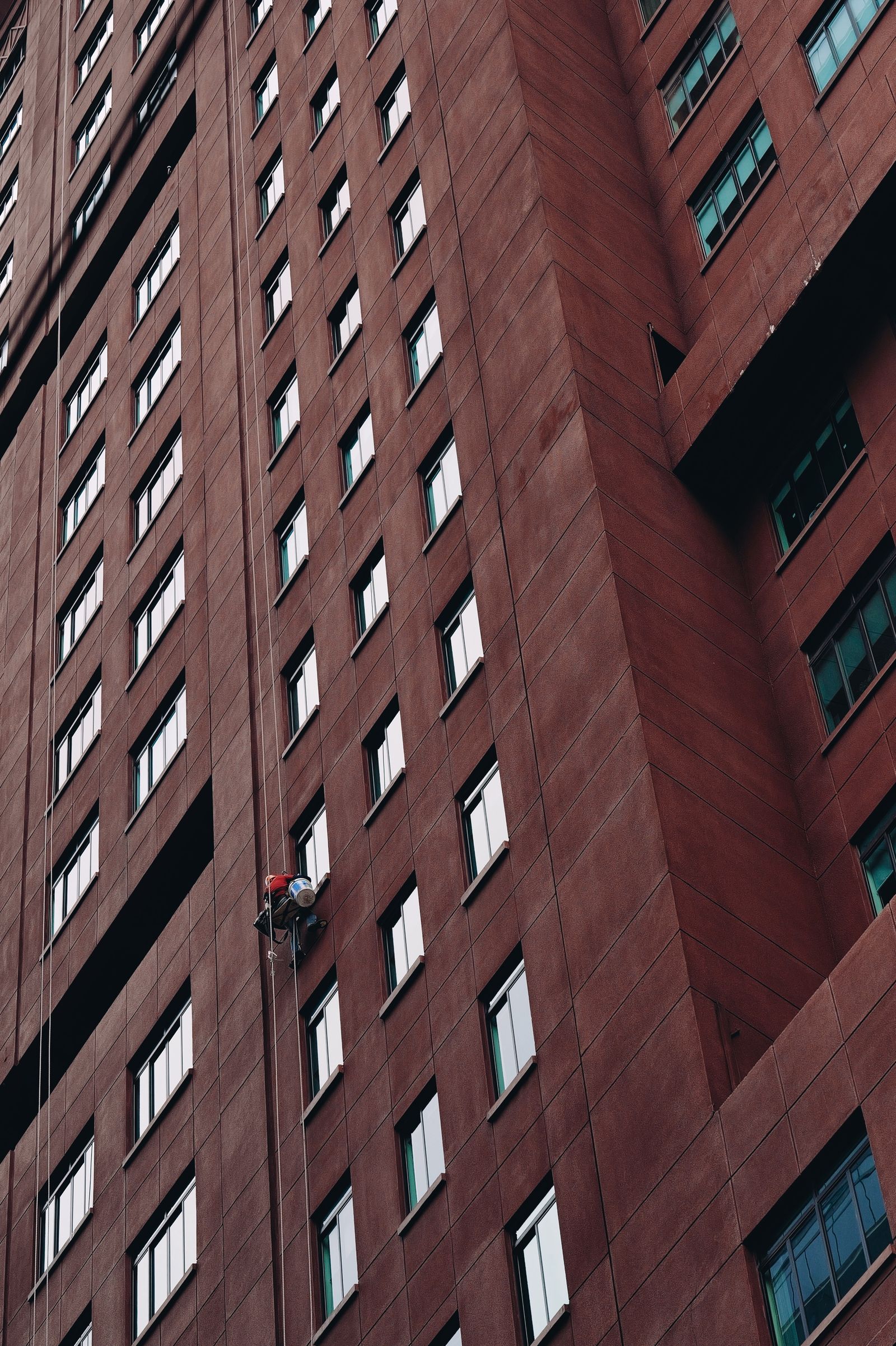
Aerial assistance may support selected broad upper elevations when wind, airspace, stand-off distance, line of sight, launch and recovery space, public separation, facade compatibility, and drainage controls align. It does not replace close condition assessment, glass detailing, work around balconies or canopies, or repairs. Commercial drone operations remain subject to applicable Federal Aviation Administration rules. A hybrid plan may combine aerial support on a broad wall, controlled pressure on compatible hardscape, a water-fed pole on selected glass, and hand work at details.
Use the quote to make the method specific and measurable
A useful Hilton Head quote should list the building zones, substrates, visible conditions, intended finish, method by elevation, test-area expectations, access equipment, weather limits, public controls, water source, drainage approach, included features, exclusions, and closeout record. Ask how the plan changes for a resort arrival, retail storefront, medical entrance, or office parking field. Include whether the priority is a seasonal refresh, event readiness, tenant turnover, a recurring maintenance cycle, or correction of a particular elevation.
Send the address, photos from each side, approximate height, materials, problem areas, preferred timing, water access, nearby drains, landscaping concerns, and operating restrictions. Call +1 239-351-2897, email contact@dronebuildingcleaners.com, or use the existing quote form to get in touch. Drone Building Cleaners can help compare soft washing, controlled pressure, aerial support, and hybrid work around the actual property without claiming that one method is universally best.